Shelly Plus Add-on mit SMT50

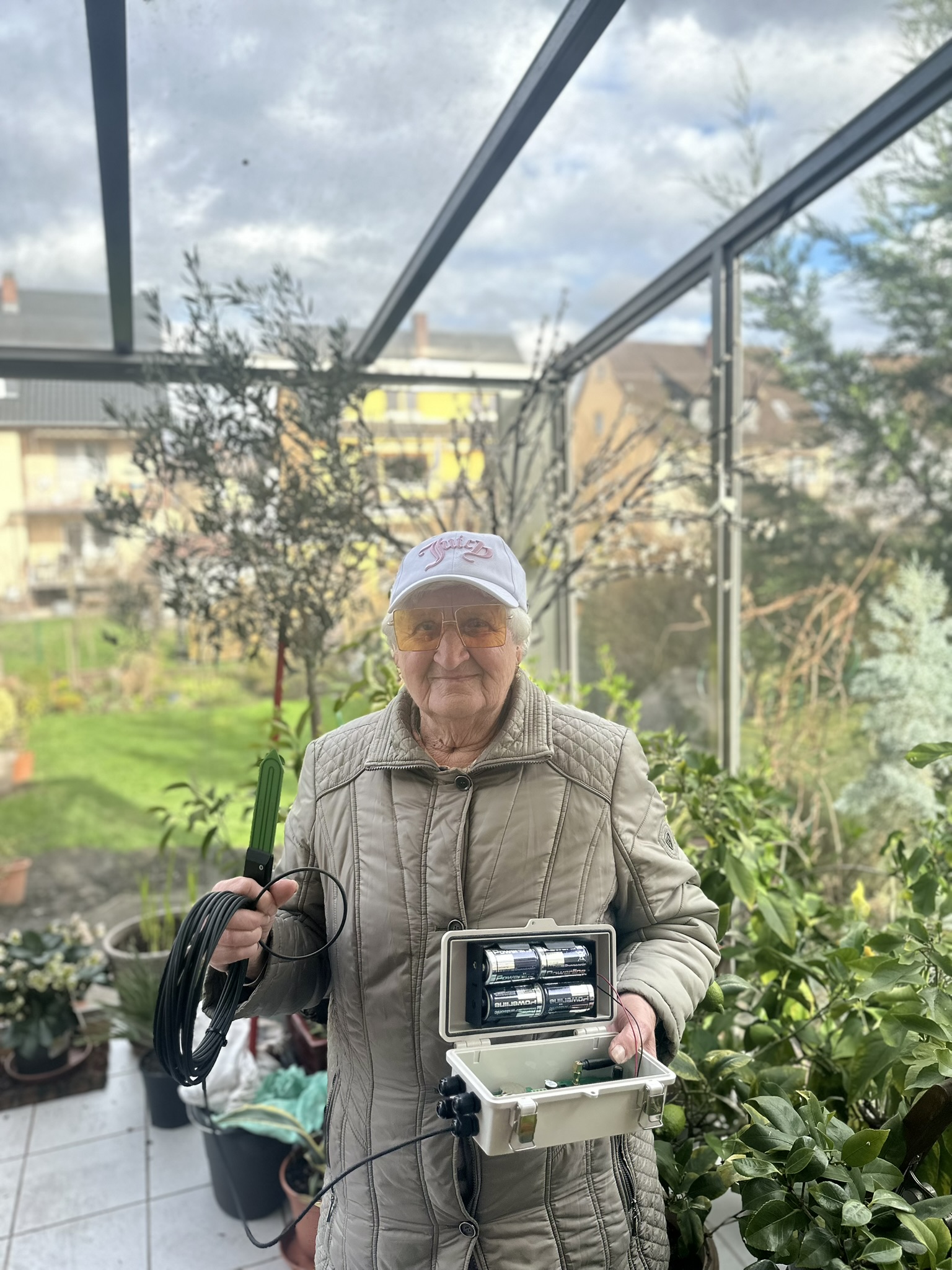
Die Heim-Automation mit den sogenannten Shellys wird immer populärer. Shellys sind sehr günstige WLAN basierte Module auf ESP-Basis, mit denen man ursprünglich nur Verbraucher schalten konnte. Mit dem Shelly Plus Add-on kann man inzwischen auch analoge Sensoren mit Spannungsausgang einbinden. Damit wäre eine einfache und günstige Bewässerungssteuerung mit dem SMT50 als Sensor realisierbar. Der SMT50 benötigt eine Versorgungsspannung von mindestens 3,3 V bei einem mittleren Strom von etwa 2,7 mA. Neben der Bodenfeuchte wird vom SMT50 auch die Temperatur ausgegeben. In meiner Anwendung benötige ich das aber nicht. Deshalb habe ich nur den Feuchteausgang angeschlossen. Die Verkabelung hat so zu erfolgen:
Weißer Draht: GND
Brauner Draht: VCC
(Achtung: Nicht an VREF anschließen, da dort lt. Shelly Plus Add-on Datenblatt nur ein Strom von max. 1 mA geliefert werden kann!)
Gelber Draht: ANALOG IN
Dann habe ich das Add-on aktiviert und Analog Input konfiguriert.

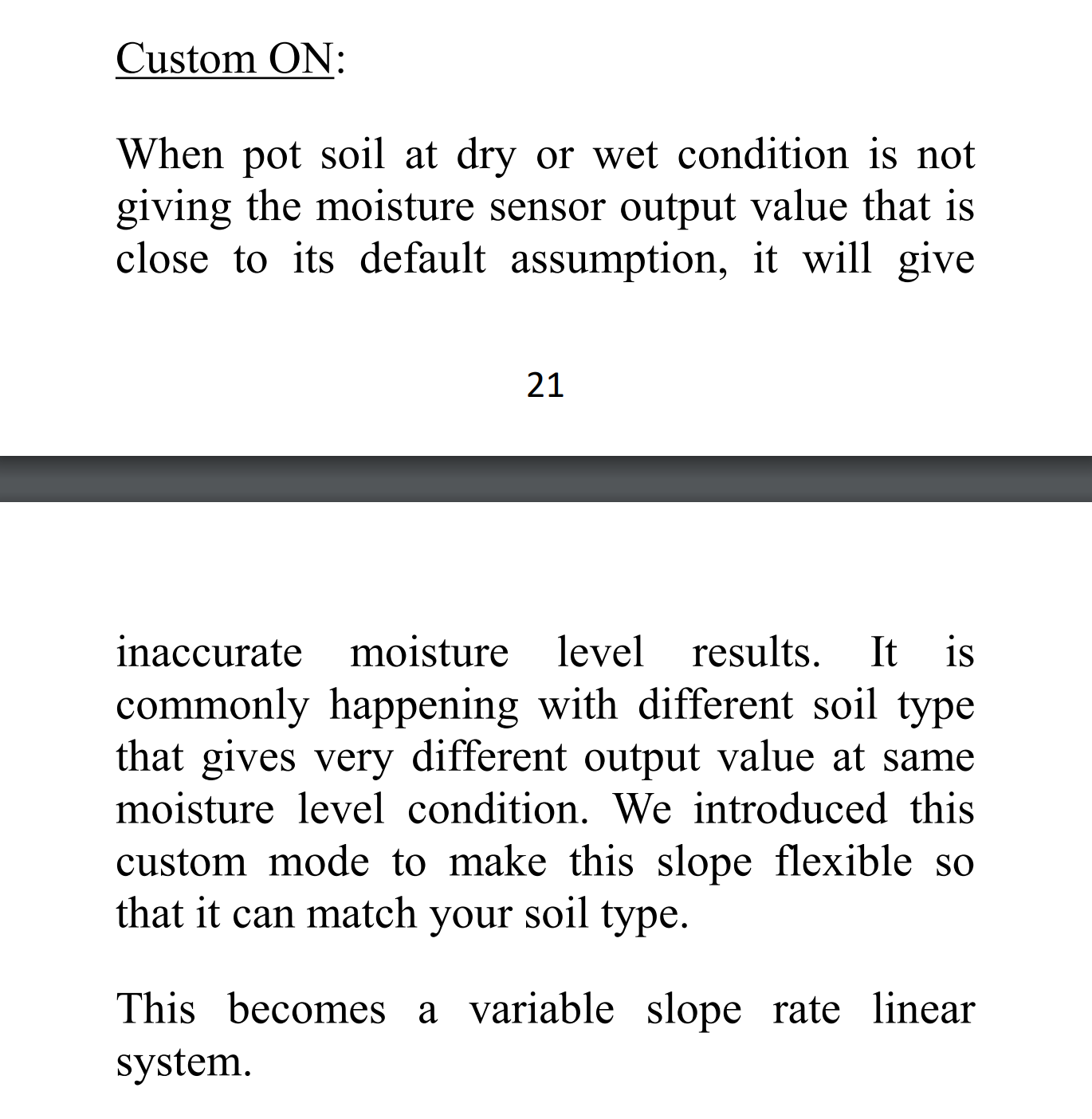
Eine "custom Formel" habe ich eingeben, um den richtigen Prozentwert (0-50%) als Messwert zu erhalten.

Voilá, ich kann die Werte ablesen und weiter in der Shelly Cloud verwenden.